
Serving Greater Pittsburgh & Northern Panhandle, Washington, Weirton, Pittsburgh, and surrounding cities
Home Environment Solutions Before & After Photos
Click on a photo to enlarge.
Attic sanitation, duct encapsulation, and insulation upgrade in Valley Grove, WV
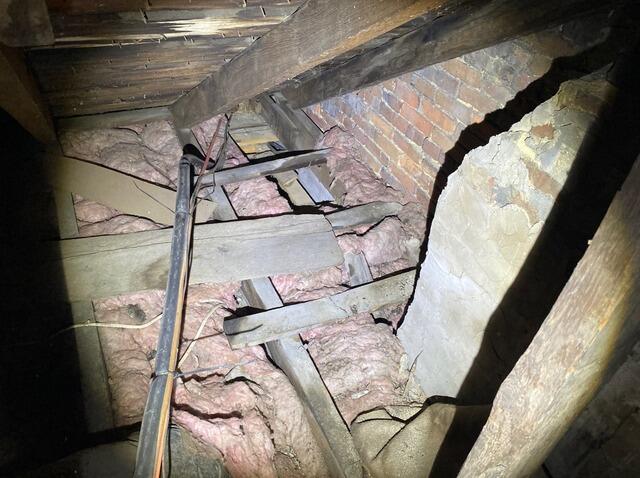
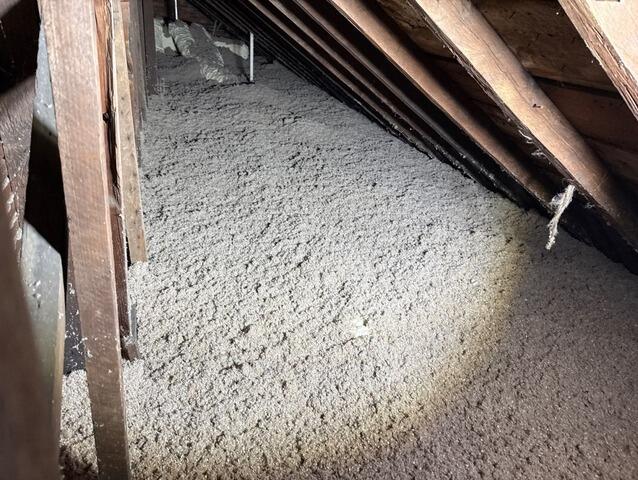
Lewis contacted us because his two-story home was drafty, uncomfortable, and costing too much to heat and cool. On top of that, rodents had contaminated the attic, which needed to be cleaned and handled properly to protect the home’s air quality.
Our team removed rodent contamination and fully disinfected and sanitized the attic. We then air-sealed and insulated the attic, encapsulated the ductwork to stop air loss, installed an insulated scuttle cover, and sealed top plates to tighten the home’s envelope.
Now, Lewis’s home is cleaner, healthier, and much more comfortable. Temperatures are stable throughout the house, energy bills are lower, and the attic space is properly sealed and protected going forward.
Georgetown PA Attic & Storage


From inadequate and uneven to R60 all over and storage area
Middlesex, PA Attic Insulation


Sandy needed help with the heating bills in her home in Middlesex, PA. Russ from Home Environment Solutions came out and discovered the problem right away! Her attic had very little insulation and was just an empty space letting heat escape.
The HES team arrived and Zach and Cameron got to work. The firs thing they did was air seal the attic with ZypFoam. The next thing was to install a scuttle cover made from SilverGlo rigid foam to air seal the attic hatch. Lastly the team installed TruSoft Cellulose insulation to insulate the attic.
Now that Sandy's home is air sealed and insulated her warm air will stop escaping keeping her home warm and her energy bill low.
West Middlesex, PA Attic Insulation


Sandy needed help with the heating bills in her home in Middlesex, PA. Russ from Home Environment Solutions came out and discovered the problem right away! Her attic had very little insulation and was just an empty space letting heat escape.
The HES team arrived and Zach and Cameron got to work. The firs thing they did was air seal the attic with ZypFoam. The next thing was to install a scuttle cover made from SilverGlo rigid foam to air seal the attic hatch. Lastly the team installed TruSoft Cellulose insulation to insulate the attic.
Now that Sandy's home is air sealed and insulated her warm air will stop escaping keeping her home warm and her energy bill low.
West Middlesex, PA Attic Insulation


Sandy needed help with the heating bills in her home in Middlesex, PA. Russ from Home Environment Solutions came out and discovered the problem right away! Her attic had very little insulation and was just an empty space letting heat escape.
The HES team arrived and Zach and Cameron got to work. The firs thing they did was air seal the attic with ZypFoam. The next thing was to install a scuttle cover made from SilverGlo rigid foam to air seal the attic hatch. Lastly the team installed TruSoft Cellulose insulation to insulate the attic.
Now that Sandy's home is air sealed and insulated her warm air will stop escaping keeping her home warm and her energy bill low.
our service area
We serve the following areas
- Alliance
- Atwater
- Barnesville
- Belmont
- Beloit
- Bethesda
- Bolivar
- Bowerston
- Cadiz
- Cambridge
- Canton
- Carrollton
- Deerfield
- Dellroy
- Dennison
- Diamond
- Dover
- East Canton
- East Rochester
- East Sparta
- Flushing
- Gnadenhutten
- Hartville
- Homeworth
- Jewett
- Kimbolton
- Lore City
- Louisville
- Magnolia
- Malvern
- Mineral City
- Minerva
- New Philadelphia
- Newcomerstown
- North Benton
- North Canton
- Paris
- Piedmont
- Port Washington
- Quaker City
- Salesville
- Scio
- Sebring
- Sherrodsville
- Stone Creek
- Strasburg
- Tippecanoe
- Uhrichsville
- Freeport
- Waynesburg
